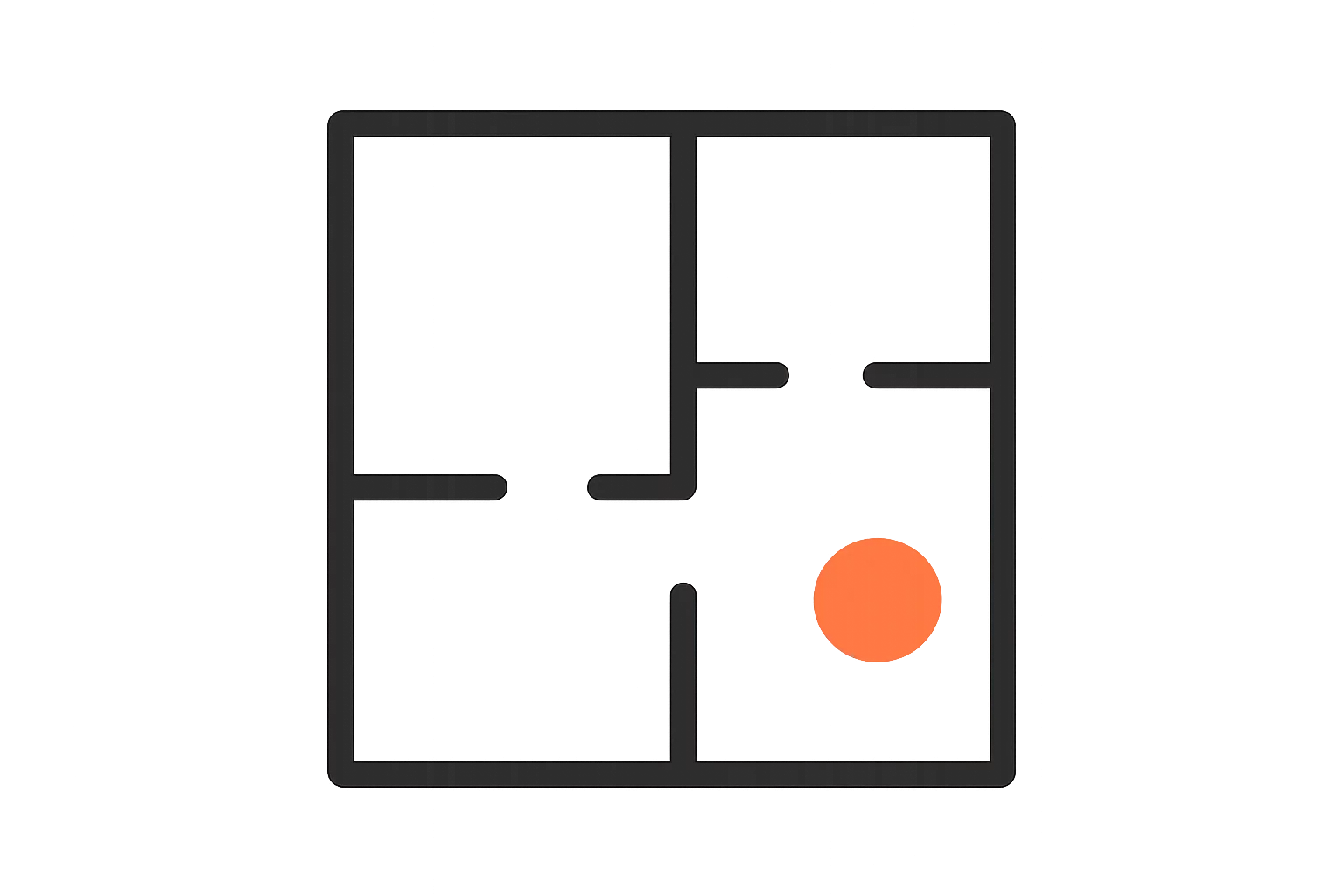
Storage Location and Movement Paths
Where to place wardrobes, shelves, and cabinets so that retrieving items does not cross a main circulation route.
Author
Mia Harris
Published
2026-07-02
Storage on Dead-End Walls
The best place for storage is on a wall that no one walks past. A dead-end wall -- one where the room simply ends -- is ideal, because opening a cabinet door there will never block a traffic route. Before placing any storage, identify which walls are part of the circulation network and which are not.
Door Swing Direction
A wardrobe door that opens into a walkway blocks the path every time it is used. Whenever possible, position storage so doors open away from the circulation route. If that is not possible, use sliding doors or open shelving instead of hinged doors. In Sweet Home 3D, model the door in its fully open position to check for conflicts.
-
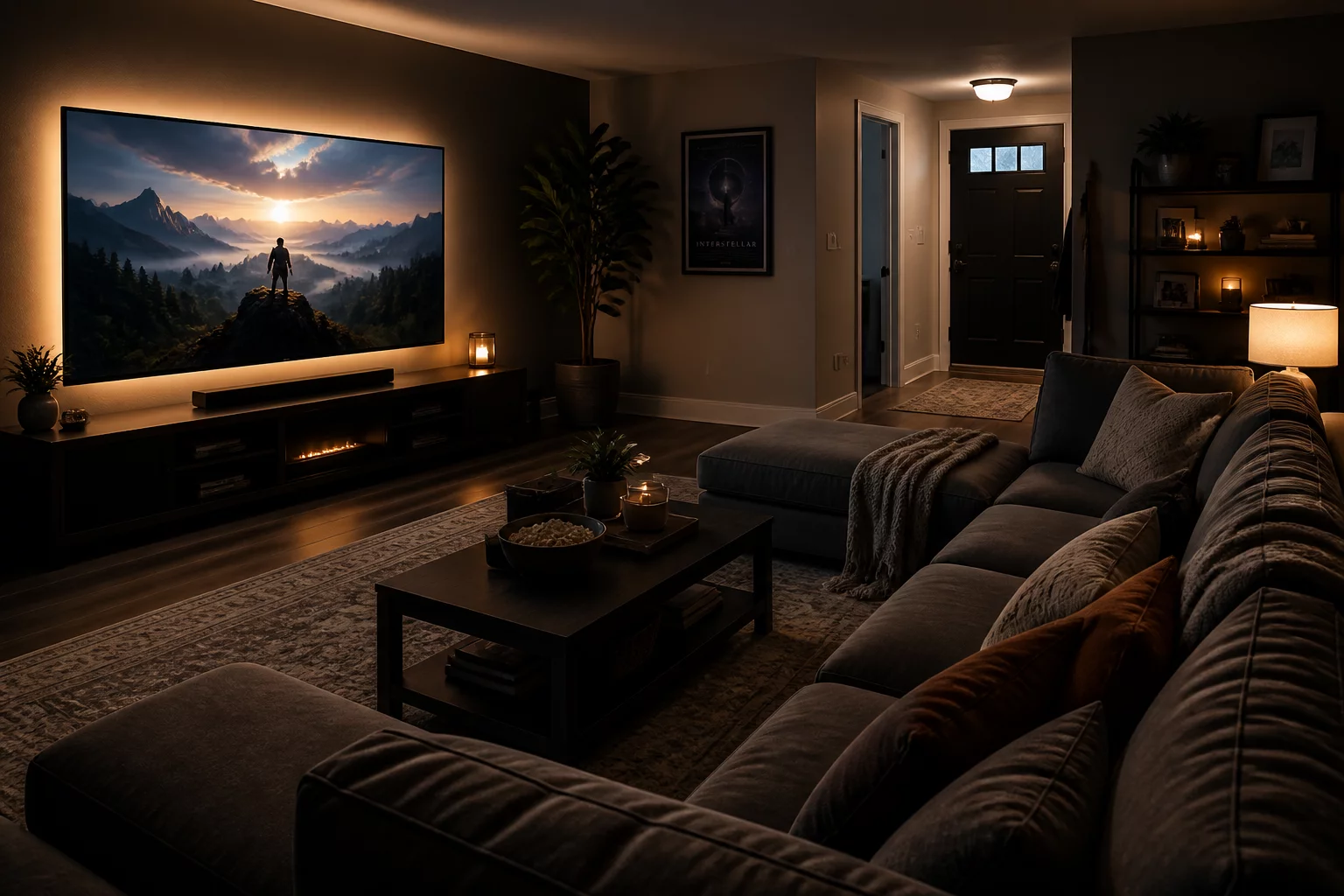
Modular Flexibility: Use sectionals that can be rearranged to create a 'pit' feel, allowing kids to sprawl on the floor while adults enjoy the back support of the sofa.
-
Circulation Safety: Ensure a clear 60cm walkway around the seating perimeter. This prevents trip hazards in a darkened room when someone needs a snack refill.
-
Acoustic Zoning: Place bookshelves or heavy rugs behind and under the seating area to absorb sound reflections, making the dialogue much clearer for everyone.
Retrieval Without Detours
The path from any seating position to the nearest storage unit should be direct. If retrieving a book from a shelf requires walking around the sofa and through a narrow gap, the shelf is in the wrong place. Ideally, storage should be within 2-3 metres of the activity it serves, with a clear straight-line path.
Expert Reviews & Feedback
No reviews yet. Be the first to share your thoughts on this layout!
Leave a Review